








 CIJConnect Bot-enabled WhatsApp today at 4:00 PM.
The silk based textiles used in clothes and bedding are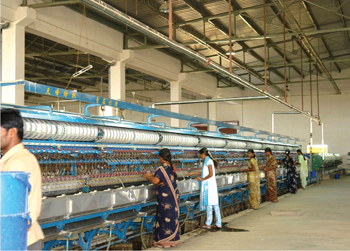 filled with a natural fibre which originates from little domesticated creatures known as silkworms. They are harvested due to their natural production of silk cocoons. While they feed and reproduce, the silk worms create a surrounding environment for themselves which can be unwoven and treated to become the long-stranded fibres.
Process and Technology

The process through which silk duvet is made should be as healthy and clean as the silk production process. Since the silk sleeping environment is temperature regulated and moisture absorbent, it’s extremely hard for bacteria to develop. However, most silk fibres cannot be washed safely without the risk of damaging the core structure of the duvet. A great example of silk enhancement in action is the application of nanotechnology to silk fibres in order to add to their natural longevity and strength, and therefore enable them to withstand hotter washing temperatures.
Technology Galore
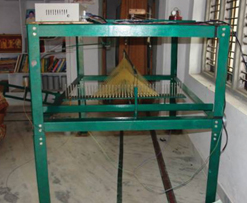 At the manufacturing end, technology aids in minimising the labour in the different processes involved in sericulture. Points out C.S.Rama Lakshmi, I.F.S, Commissioner of Sericulture, Government of Andhra Pradesh and Managing Director, SERIFED, “Farm mechanization includes using tillers for inter cultivation, brush cutters for pruning mulberry branches, chaff cutters for crushing mulberry shoots to convert the shoots either as fodder or compost. In case of silk worm rearing, power sprayers for disinfection of rearing sheds, flame gun for disinfecting rearing equipment, construction of shoot feeding stands and mulberry shoot feeding, self mounting of silk worms utilizing plastic netrikas for reducing the labour are also in use.”
An elaborate cleaning process is involved in the yarn and the weaving stages of silk manufacturing. Rama Lakshmi explains how by-product at each stage is put through effective use thus. “The farmer grades the cocoon before taking the produce to the market and the flimsy cocoons are separated. These flimsy cocoons rated at a low price are used for producing Dupion Silk used in manufacturing furnishing cloth and export market. The second stage of cleaning process takes place in reeling of silk yarn as the reeler grades the cocoons manually in case of charka and multi end reeling units and mechanically in case of automatic reeling units. In case of Charka units cleaning of cocoons is done manually and in automatic reeling units cleaning is done mechanically using a Cocoon Sorting Machine. Also, Floss, a kind of silk fibre that comes out of saliva of the silk worm in the first stages of cocoon formation or spinning is a silk waste that appears on the outer surface of the cocoon shell. The floss is separated from the cocoon by de-flossing, done either manually or in de-flossing machines to improve the cocoon quality in case of Bivoltine cocoon, the highest grade of cocoons that yield good quality silk.
In addition to the cocoon sorting machines and de-flossing machines, pressure pan is used for uniform cooking of cocoons and reels are kept in hot water for easy re-reeling process. Also, silk waste like pierced cocoons, cut cocoons / open end cocoons, silk waste etc., is boiled in boilers for spinning spun silk yarn. A process by which the wastewater in silk reeling is recycled called demineralizing for reuse is not in practice in India as the process is expensive and available technologies are not cost effective.”